The Dartmouth
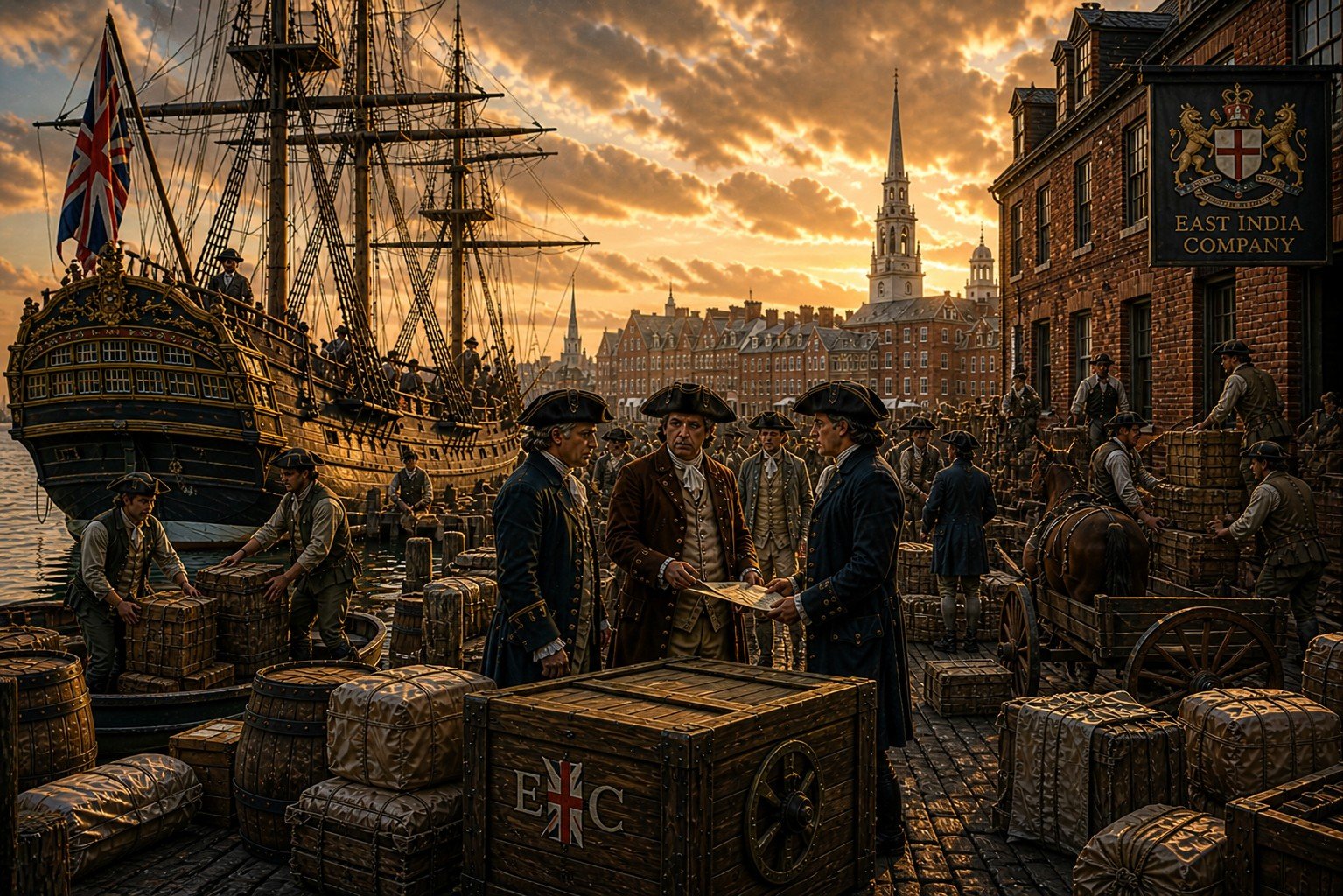
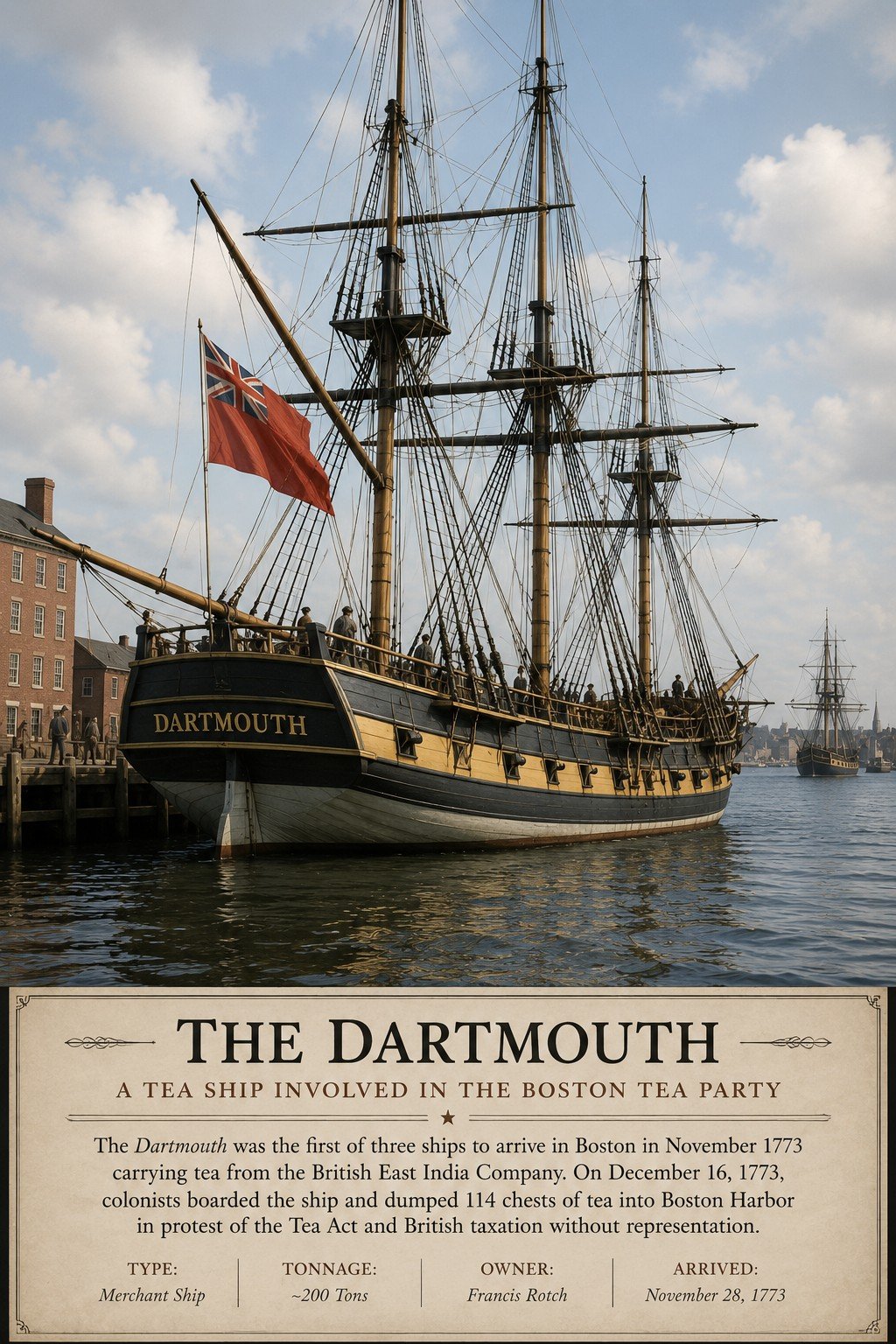 Dartmouth was the first of the tea ships to arrive in Boston during the crisis that led to the Boston Tea Party. Owned by merchant Francis Rotch, the
Dartmouth entered Boston Harbor on November 28th, 1773, carrying a cargo of tea shipped by the British East India Company under the provisions of
the Tea Act.
Dartmouth was the first of the tea ships to arrive in Boston during the crisis that led to the Boston Tea Party. Owned by merchant Francis Rotch, the
Dartmouth entered Boston Harbor on November 28th, 1773, carrying a cargo of tea shipped by the British East India Company under the provisions of
the Tea Act.
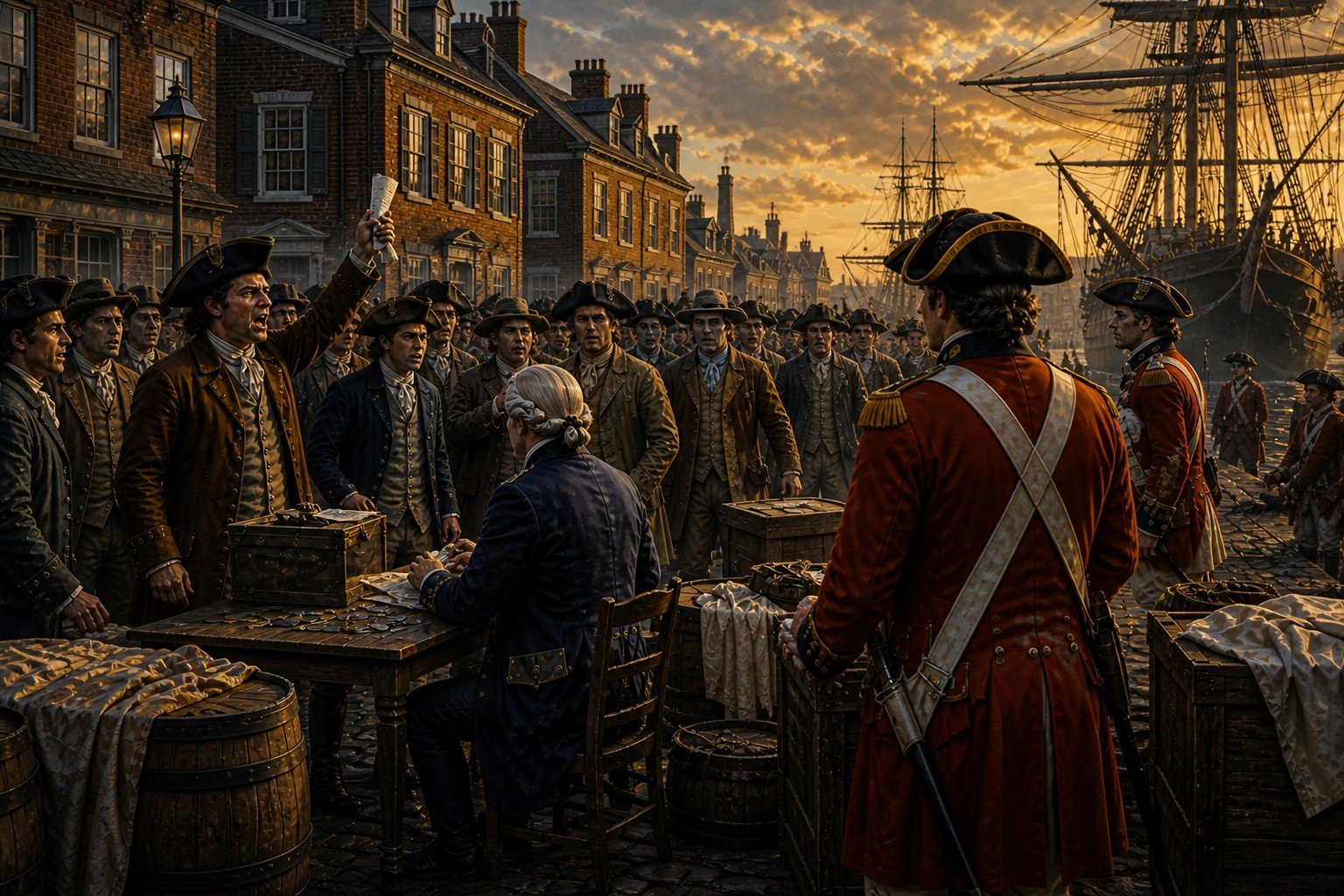
The arrival of the Dartmouth immediately intensified tensions in Boston. Colonists opposed to British taxation saw the ship’s cargo as more than just tea; it represented Parliament’s attempt to enforce taxation without representation. Large crowds gathered to demand that the tea not be unloaded, fearing that accepting it would mean accepting Britain’s right to tax the colonies.
Meetings concerning the Dartmouth were held at the Old South Meeting House, where thousands of colonists debated what action should be taken. Leaders such as Samuel Adams urged resistance and insisted that the tea be returned to Britain. However, colonial governor Thomas Hutchinson refused to allow the ship to leave without unloading the cargo and paying the required duties.
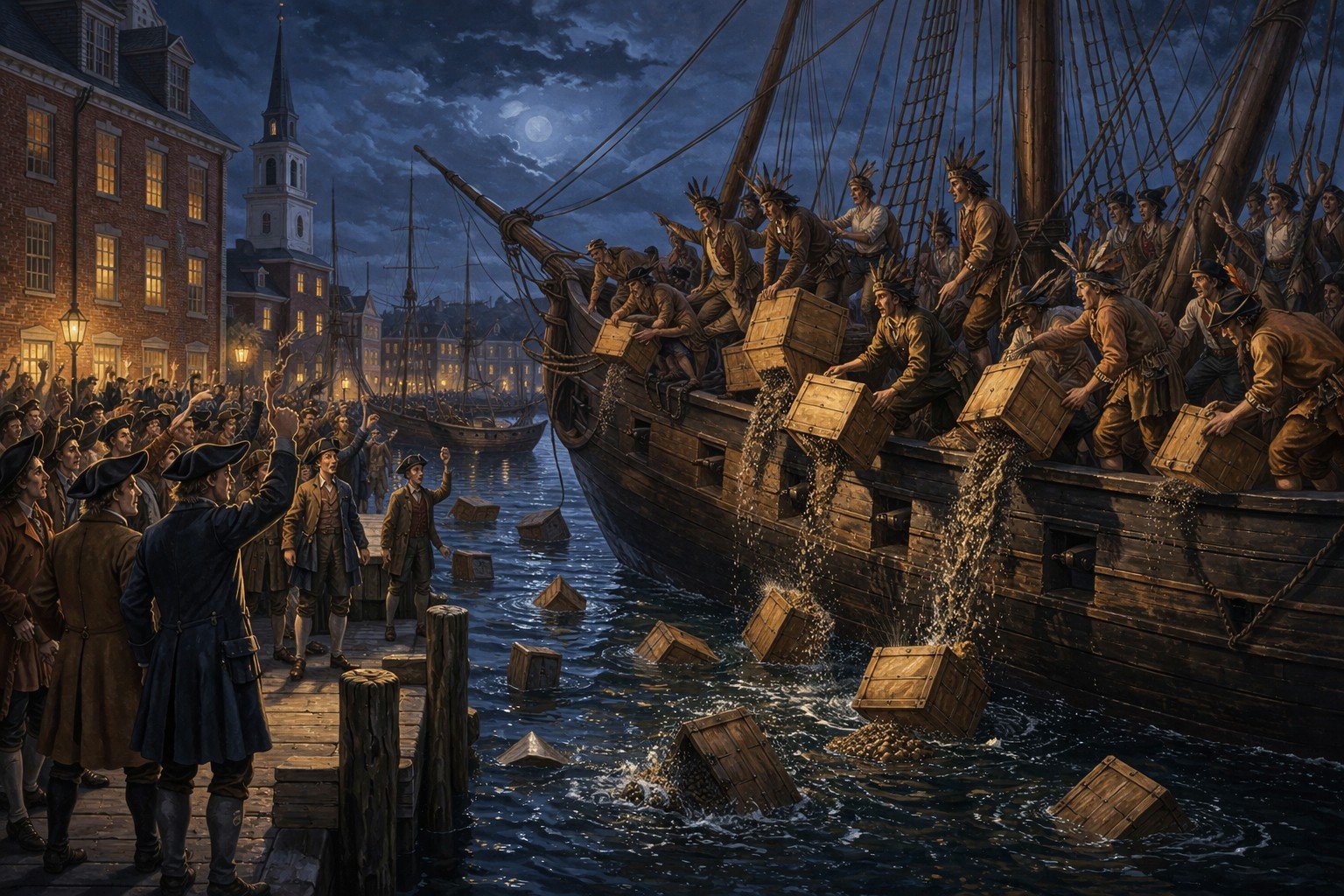
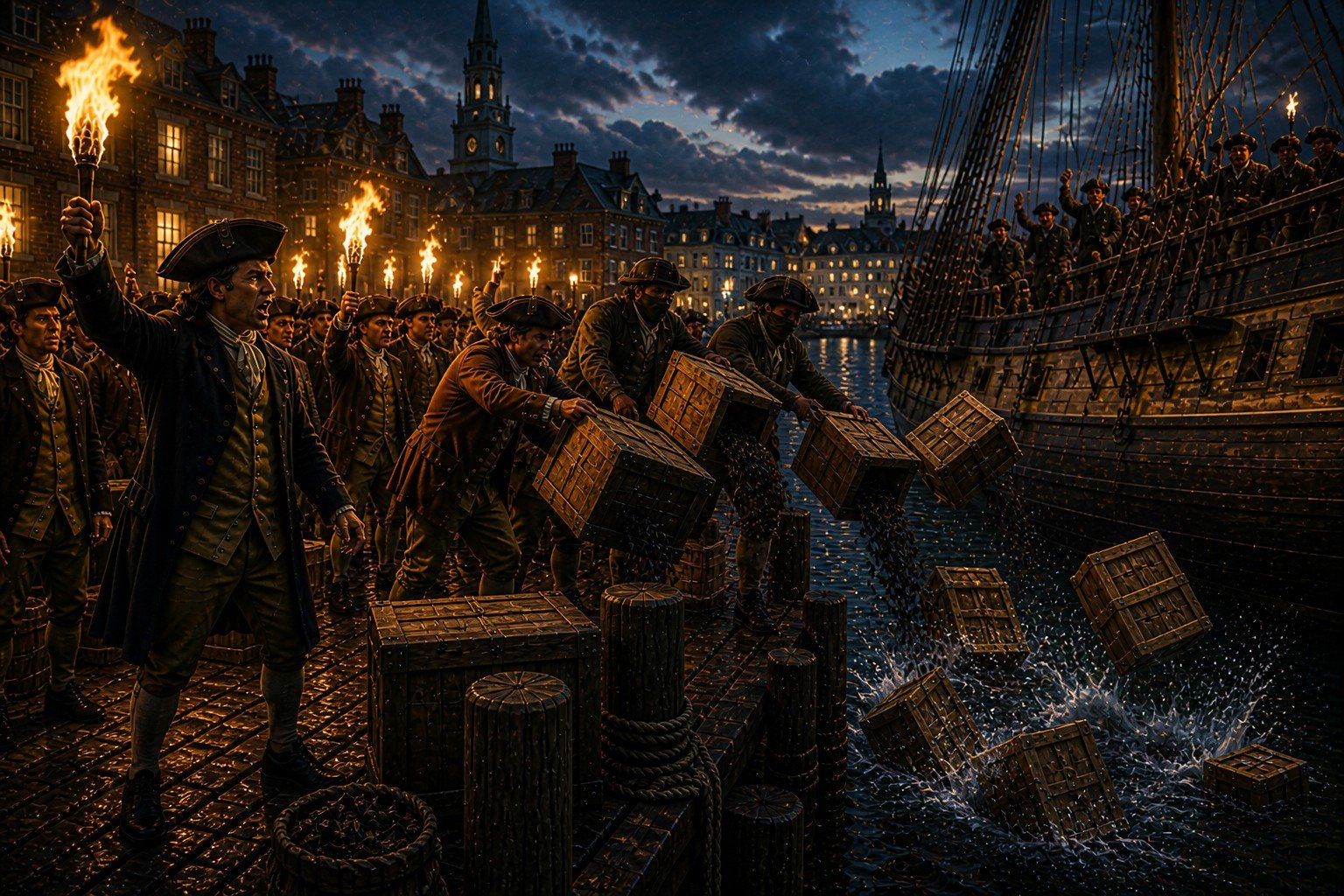
As the legal deadline for unloading approached, tensions reached a breaking point. On December 16th, 1773, a group of colonists boarded the Dartmouth, along with the Eleanor and the Beaver, and destroyed the tea by dumping it into Boston Harbor. Because the Dartmouth was the first ship to arrive and the focus of the earliest protests, it became central to the unfolding crisis.
The Dartmouth’s role in the Boston Tea Party highlights how a single merchant vessel became a symbol of imperial authority, colonial resistance, and the growing movement toward revolution.
The Eleanor
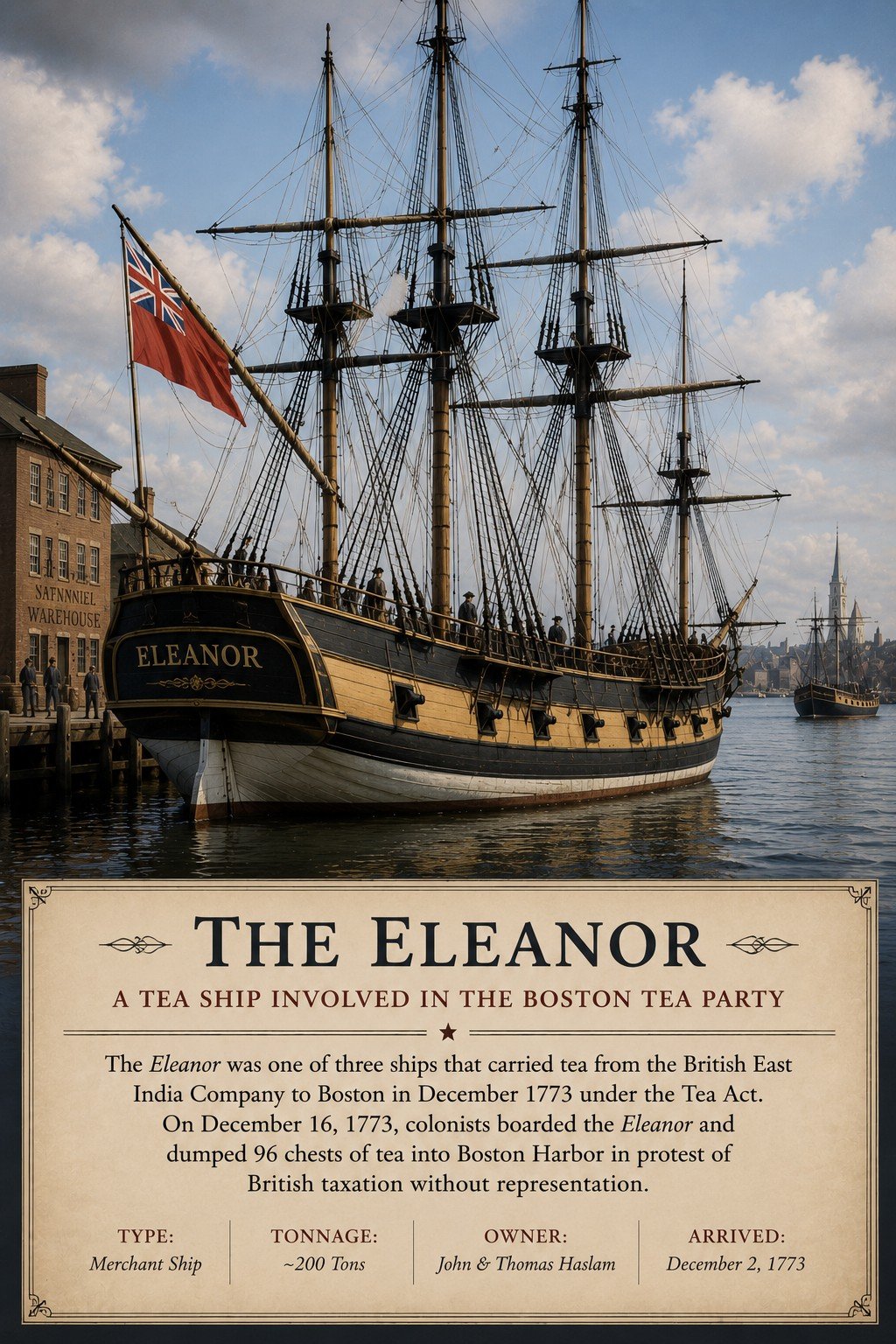 The Eleanor was one of the three ships carrying East India Company tea that became central to the Boston Tea Party. Arriving in Boston in December 1773, the
Eleanor joined the Dartmouth and the Beaver in Boston Harbor during a period of growing colonial resistance to British taxation and imperial authority.
The Eleanor was one of the three ships carrying East India Company tea that became central to the Boston Tea Party. Arriving in Boston in December 1773, the
Eleanor joined the Dartmouth and the Beaver in Boston Harbor during a period of growing colonial resistance to British taxation and imperial authority.
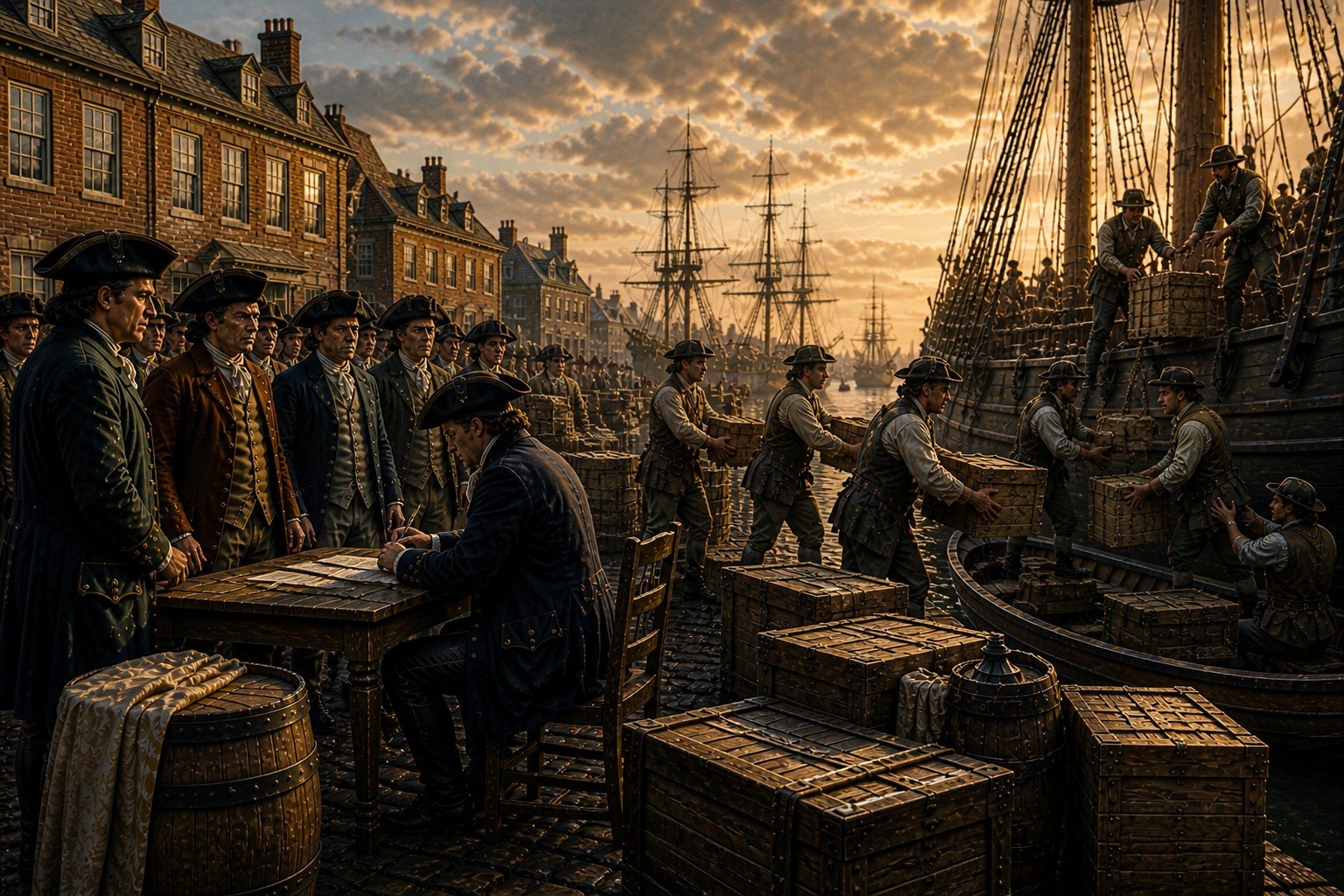
The Eleanor carried a cargo of tea shipped under the Tea Act, a law designed to support the financially struggling British East India Company by allowing it to sell tea directly to the colonies. Although the tea was cheaper than before, many colonists viewed the act as an attempt to force acceptance of Parliament’s right to tax them without representation. As a result, the arrival of ships like the Eleanor became politically explosive.
Public opposition quickly formed around the tea ships. Large meetings took place at the Old South Meeting House, where colonists debated how to respond. Patriot leaders, including Samuel Adams, argued that the tea should not be unloaded and that allowing it ashore would weaken colonial resistance.
Governor Thomas Hutchinson refused to allow the ships to leave Boston Harbor without first unloading their cargo and paying the required duties. This created a deadlock that increased tensions throughout the city.
On the night of December 16th, 1773, a group of colonists boarded the Eleanor along with the Dartmouth and the Beaver. Working systematically, they broke open tea chests and dumped the contents into Boston Harbor. The destruction of the Eleanor’s cargo became part of one of the most famous acts of protest in American history.
The Eleanor’s role in the Boston Tea Party reflects how merchant ships became symbols of the larger struggle over taxation, trade, and colonial rights in the years leading up to the American Revolution.
The Beaver
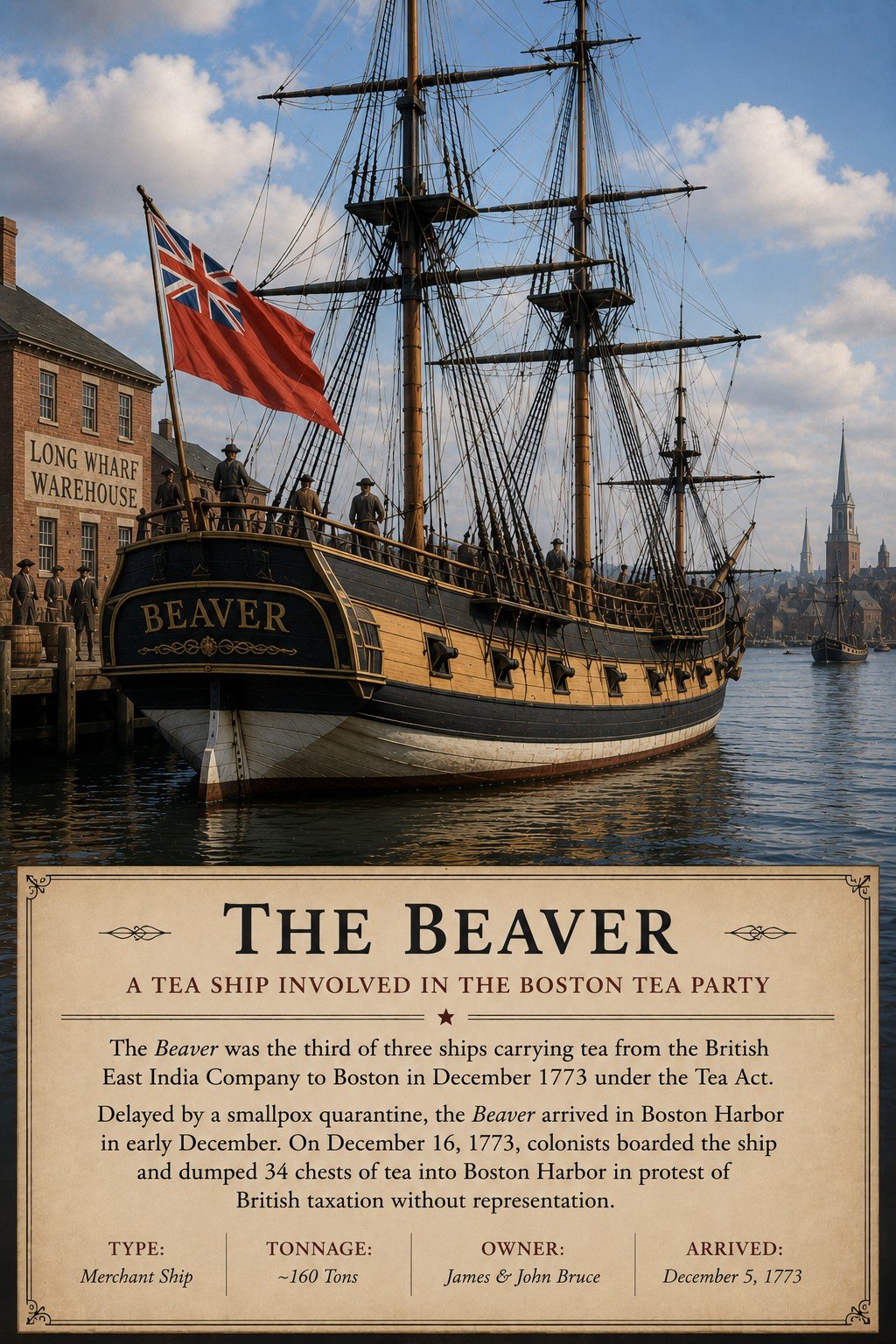 The Beaver was the third of the tea ships involved in the Boston Tea Party and played an important role in the dramatic events that unfolded in Boston
during December 1773. Alongside the Dartmouth and the Eleanor, the Beaver carried tea shipped by the British East India Company under the Tea Act, a
law that intensified colonial anger toward British taxation and imperial control.
The Beaver was the third of the tea ships involved in the Boston Tea Party and played an important role in the dramatic events that unfolded in Boston
during December 1773. Alongside the Dartmouth and the Eleanor, the Beaver carried tea shipped by the British East India Company under the Tea Act, a
law that intensified colonial anger toward British taxation and imperial control.
The Beaver’s arrival in Boston Harbor was delayed because cases of smallpox had been reported onboard, requiring the ship to remain in quarantine for a period before docking. Despite this delay, the ship eventually joined the growing crisis surrounding the tea cargoes in Boston. By this stage, resistance to the Tea Act had become highly organized, with many colonists determined to prevent the tea from being unloaded.
Meetings at the Old South Meeting House drew thousands of people who debated how to respond to the tea ships. Patriot leaders such as Samuel Adams argued that unloading the tea would mean accepting Parliament’s right to tax the colonies without representation. Governor Thomas Hutchinson, however, insisted that the tea be landed and the duties paid before the ships could depart.
When negotiations failed, direct action followed. On the night of December 16th, 1773, a group of colonists boarded the Beaver along with the Dartmouth and the Eleanor. Over several hours, they systematically broke open tea chests and dumped the contents into Boston Harbor.
The Beaver became part of one of the most famous acts of protest in American history. Its involvement symbolized the growing determination of colonists to resist British authority and helped push the colonies further toward revolution and eventual independence.